


Contents
Facelift Prices in Turkey
The cost of facelift surgery in Turkey can vary depending on several factors such as the experience and reputation of the plastic surgeon, the location of the clinic, and the extent of the procedure.
It’s important to note that these prices may not include additional costs such as anesthesia, facility fees, medication, and follow-up appointments. It’s always recommended to consult with a board-certified plastic surgeon in Turkey to get a personalized quote based on your individual needs and goals.
What is Facelift (Rhytidectomy)?
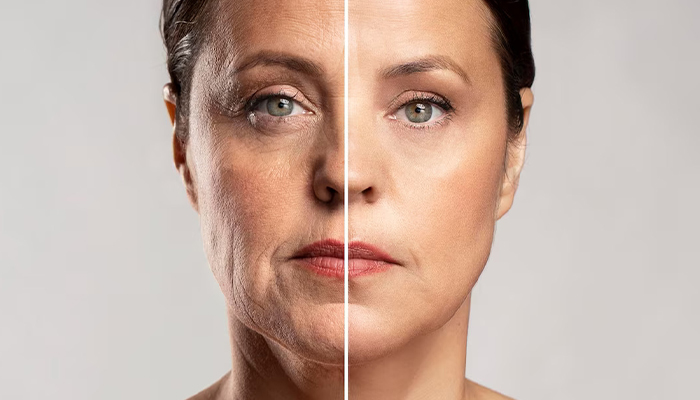
A facelift, also known as a rhytidectomy, is a cosmetic surgical procedure that is designed to improve the appearance of the face by reducing wrinkles, sagging skin, and other signs of aging. The procedure can be done on the upper, mid, or lower face and can also be combined with other procedures such as eyelid surgery or a neck lift.
During the procedure, the surgeon will make incisions in front of and behind the ear, and sometimes in the hairline or scalp. The skin is then lifted and separated from the underlying tissue, and excess skin is removed. The remaining skin is then pulled tight and sutured in place. The procedure can also involve the repositioning or removal of fat, and the tightening of the underlying muscles and fascia.
The procedure can take several hours and is typically done under general anesthesia. The recovery time varies from person to person, but most people can return to work within 2 to 4 weeks, but it can take up to 6 weeks for full recovery.
It’s important to note that surgery is not for everyone, and it’s important to have realistic expectations about the results. The procedure can improve the appearance of the face, but it cannot stop the aging process, and the results are not permanent. It’s important to choose a qualified and experienced surgeon, who will provide a detailed consultation and will take the time to understand the patient’s goals and concerns.
Facelift Prices in Turkey 2023
The cost of facelift surgery in Turkey can vary depending on several factors such as the experience and reputation of the plastic surgeon, the location of the clinic, and the extent of the procedure. Here is a breakdown of the approximate Facelift prices in Turkey for different types:
- Traditional Facelift Prices: The cost for a traditional facelift in Turkey can start from around $2.200 and can go up to $4.000 or more.
- Mid-Facelift Prices: The cost for a mid-facelift in Turkey can start from around $1900 and can go up to $3.000 or more.
- Mini Facelift Prices: The cost for a mini facelift in Turkey can start from around $1.600 and can go up to $2.600 or more.
It’s important to note that these Facelift prices may not include additional expenses such as anesthesia, facility fees, medication, and follow-up appointments. These costs may vary depending on the surgeon and the clinic.
When considering facelift surgery in Turkey, it’s important to choose a board-certified plastic surgeon who is experienced and has a good reputation. You can also check the reviews of the clinic and the surgeon online to get an idea of their past patients’ experiences. It’s also recommended to have a consultation with the surgeon to discuss your goals and expectations, and to get a personalized quote for the procedure based on your individual needs.
How is Facelift Performed?
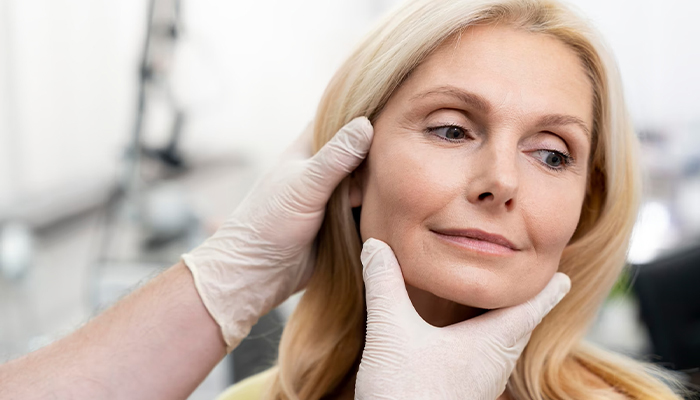
A facelift, also known as a rhytidectomy, is typically performed in several steps:
- Anesthesia: The procedure is typically done under general anesthesia, which means the patient will be asleep during the procedure. In some cases, local anesthesia with sedation can also be used.
- Incisions: The surgeon will make incisions in front of and behind the ear, and sometimes in the hairline or scalp. These incisions are designed to be hidden in the natural creases of the face, and the surgeon will take care to place them in a way that will minimize visible scarring.
- Deep plane facelift: The skin is lifted and separated from the underlying tissues, and the underlying muscle and fascia are tightened. This allows the surgeon to reposition the deep structures of the face, giving a natural and longer lasting result.
- Skin removal: Excess skin is removed, and the remaining skin is pulled tight and sutured in place. The surgeon may also reposition or remove fat to contour the face.
- Recovery: Recovery time varies from person to person, but most people can return to work within 2 to 4 weeks, but it can take up to 6 weeks for full recovery. Patients will be given instructions on how to care for themselves at home, and they will need to avoid heavy lifting and strenuous activity for several weeks after the procedure.
It’s important to note that every person is different and there are different facelift techniques such as mini facelift, macs facelift, deep plane facelift, thread lift, etc. The technique used will depend on individual patient’s needs and the surgeon’s preference. The surgeon will be able to provide a more accurate estimate of the procedure and recovery time after a thorough examination and diagnosis.
Does Facelift Hurt?
A facelift is typically performed under general anesthesia, which means the patient will be asleep during the procedure, and will not feel any pain. After the procedure, the patient may experience some discomfort, swelling, and bruising. These symptoms are normal and can be managed with pain medication and ice packs.
Most patients will experience some level of discomfort after the surgery, but the degree of pain varies from person to person and depends on a variety of factors, such as the patient’s pain tolerance, the type of facelift performed, and the individual’s overall health. Some patients may experience more pain than others and may require stronger pain medications.
The surgeon will provide instructions for post-operative care and pain management to minimize any discomfort. It’s important to follow these instructions carefully and to contact the surgeon if the pain is severe or if there are any signs of infection or other complications.
It’s important to keep in mind that the discomfort and pain associated with a facelift are generally temporary and will gradually decrease as the patient heals. The benefits of the Facelift procedure, such as a more youthful and refreshed appearance, can be well worth the short-term discomfort.
How Long Does a Facelift (Rhytidectomy) Heal?
The healing process after a facelift, also known as a rhytidectomy, can vary from person to person and depends on a variety of factors, such as the type of facelift performed, the patient’s overall health, and their individual healing rate.
Most patients can return to work and light activities within 2-4 weeks, but it can take up to 6 weeks for full recovery. During the first few days, the patient may experience swelling, bruising, and some discomfort. The patient will be given instructions on how to care for themselves at home, and they will need to avoid heavy lifting and strenuous activity for several weeks after the procedure.
The swelling and bruising will typically subside within the first 2-3 weeks, but it can take up to 6 weeks for the full results of the surgery to be visible. The patient will need to avoid sun exposure, and they will need to avoid any activity that can cause the blood pressure to rise, as this can cause more swelling.
It’s important to keep in mind that the healing process is gradual, and the final results of the surgery may not be fully visible for several months. The patient will need to be patient and follow the surgeon’s instructions to ensure proper healing.
It’s important to keep in mind that the facelift procedure is not a permanent solution and the aging process will continue. With time, the skin will lose elasticity and the face will gradually change, but the facelift can help to improve the appearance of the face and delay the aging process.
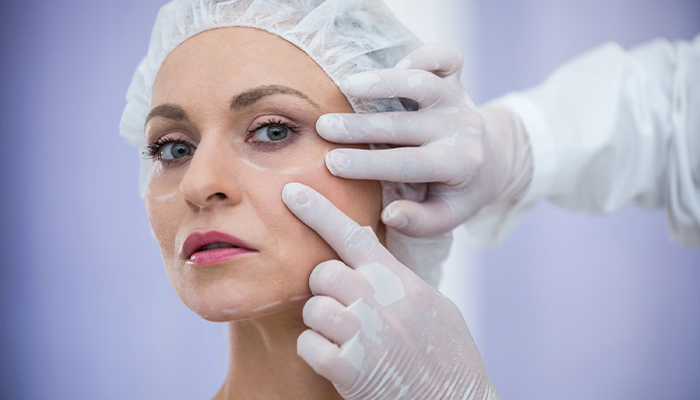
Who Is Facelift Performed?
A facelift, also known as a rhytidectomy, is typically performed on people who have visible signs of aging on their face and neck, such as sagging skin, wrinkles, and jowling. The Facelift procedure is often done on people who are in their 40s, 50s, and 60s, but can be done on people who are older or younger if they have significant signs of aging.
The procedure can be done on both men and women and can be customized to meet the individual’s specific needs and goals. The procedure can be done on the upper, mid, or lower face and can also be combined with other procedures such as eyelid surgery or a neck lift.
It’s important for patients to have realistic expectations about the results of the procedure and to understand that the facelift can improve the appearance of the face, but it cannot stop the aging process, and the results are not permanent.
It’s important for patients to choose a qualified and experienced surgeon, who will provide a detailed consultation and will take the time to understand the patient’s goals and concerns, and the surgeon will evaluate the patient’s medical history, skin type and overall health to determine if the procedure is appropriate for them.
It’s important to keep in mind that facelift is a major surgery, and it carries risks and possible complications, so the patient should weigh the potential risks and benefits before deciding to undergo the procedure.
Might Be Interested: Gum Disease Treatment Prices in Turkey 2023