


Contents
- Gum Disease Treatment Prices in Turkey 2023
- What is Periodontology (Treatment of Gum Diseases)?
- Periodontitis (Gum Disease) Treatment Prices in Turkey
- How is Periodontology (Treatment of Gum Diseases) Done?
- Who is Periodontology (Gum Diseases Treatment) Applied to?
- How Long Does Periodontology (Gum Diseases Treatment) Take?
- Does Periodontology (Gum Disease Treatment) Hurt?
Gum Disease Treatment Prices in Turkey 2023
Gum diseases or periodontal diseases are caused by the buildup of plaque and tartar on the teeth, which can lead to inflammation of the gums, also known as gingivitis. If left untreated, gingivitis can progress to a more severe form of gum disease called periodontitis, which can lead to the destruction of the gums, jawbone, and supporting structures of the teeth.
It’s important to note that these are approximate prices and can vary depending on the location of the clinic, the qualifications of the periodontist, and the type of procedure.
It’s always a good idea to research different dental clinics and compare prices before scheduling an appointment. Also, it is important to check the qualifications of the periodontist and the success rate of the clinic.
It is also important to keep in mind that these prices are for the treatment only and doesn’t include the cost of travel, accommodation, and other expenses related to traveling to Turkey for dental treatment.
What is Periodontology (Treatment of Gum Diseases)?
Periodontology is a branch of dentistry that deals with the prevention, diagnosis, and treatment of diseases and conditions that affect the gums and other supporting structures of the teeth. Periodontology is also known as the treatment of gum diseases.
Treatment of gum diseases generally includes:
- Professional cleaning: This involves the removal of plaque and tartar from the teeth, which can reduce inflammation and bleeding of the gums.
- Scaling and root planing: This is a deep cleaning procedure that removes plaque and tartar from below the gumline, which can help to reduce inflammation and prevent the progression of gum disease.
- Medications: Antibiotics or antimicrobial mouth rinses may be prescribed to help control the infection.
- Surgery: In advanced cases of gum disease, surgery may be necessary to restore the health of the gums and supporting structures of the teeth.
It’s important to note that periodontal diseases can be prevented by maintaining good oral hygiene and regular dental check-ups. And it’s important for patients to choose a qualified and experienced periodontologist, who will provide a detailed consultation and will take the time to understand the patient’s goals and concerns.

Periodontitis (Gum Disease) Treatment Prices in Turkey
The prices for periodontitis (gum disease) treatment in Turkey can vary depending on the type of procedure and the location of the dental clinic. However, on average, the prices for periodontitis treatment in Turkey tend to be lower than in other countries.
Some examples of the approximate prices for common periodontitis treatment procedures in Turkey are:
- Scaling and root planing: around $50 – $150 per session
- Gum surgery: around $300 – $800 per tooth
- Bone grafts: around $1000 – $3000
- Soft tissue grafts: around $1000 – $2000
- Antibiotics: around $20 – $50
- Medications: around $20 – $50
How is Periodontology (Treatment of Gum Diseases) Done?
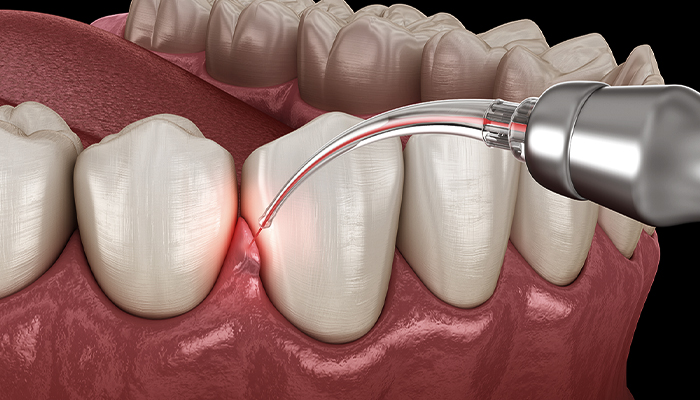
Periodontology is the branch of dentistry that deals with the treatment of gum diseases, it is done by a periodontist who is a dental specialist that diagnoses and treats conditions that affect the supporting structures of the teeth, including the gums, bones, and ligaments.
The treatment of gum diseases typically begins with a thorough examination of the patient’s teeth, gums, and jaw. The periodontist may take X-rays or other imaging to get a better understanding of the condition of the supporting structures. Depending on the specific condition, treatment options may include:
- Scaling and Root Planing: This is a deep cleaning procedure that removes plaque and tartar from above and below the gum line.
- Gum surgery: This procedure can be done to remove infected or damaged tissue, and reshape the gums for better fit with the teeth.
- Bone grafts: This procedure can be done to restore damaged or lost bone in the jaw.
- Soft tissue grafts: This procedure can be done to repair receding gums.
- Antibiotics: This can be given as oral or topical treatment to help control bacterial infection.
- Medications: This can be prescribed to reduce inflammation and swelling in the gums.
It’s important to note that the treatment of gum diseases is not a one-time event, it’s a continuous process that requires regular checkups and follow-up care to ensure that the condition does not recur.
Who is Periodontology (Gum Diseases Treatment) Applied to?
Periodontology is a branch of dentistry that focuses on the prevention, diagnosis, and treatment of diseases and conditions that affect the tissues surrounding and supporting the teeth. This includes the gums, bones, and ligaments that hold the teeth in place. Periodontology is applied to individuals who have gum diseases, such as gingivitis and periodontitis, which can lead to tooth loss if left untreated. It also applied to individuals who have other issues related to the gums and supporting tissues, such as receding gums, uneven gum line, and misaligned teeth.
How Long Does Periodontology (Gum Diseases Treatment) Take?
The length of time for periodontology treatment (treatment of gum diseases) can vary depending on the severity of the condition and the type of treatment being performed.
For mild cases of gum disease, such as gingivitis, treatment may only take a few weeks and may involve a deep cleaning procedure, such as scaling and root planing, as well as good oral hygiene practices and regular follow-up appointments.
For more severe cases of gum disease, such as periodontitis, treatment can take several months or longer. This may involve multiple appointments for scaling and root planing, gum surgery, and/or bone and soft tissue grafts. Antibiotics and other medications may also be prescribed to help control infection and reduce inflammation.
It’s important to note that periodontology treatment is not a one-time event, it’s a continuous process that requires regular checkups and follow-up care to ensure that the condition does not recur. The patient needs to maintain good oral hygiene practices and follow the advice of the periodontist to ensure successful treatment and recovery.
In short, the length of treatment can range from a few weeks to several months or longer, depending on the severity of the condition.

Does Periodontology (Gum Disease Treatment) Hurt?
Periodontology treatment (treatment of gum diseases) can cause some discomfort or pain, depending on the type of procedure being performed and the severity of the condition.
Scaling and root planing, which is a deep cleaning procedure, may cause some sensitivity or discomfort in the treated area. This is usually temporary and can be managed with over-the-counter pain medication.
Gum surgery, bone and soft tissue grafts, and other invasive procedures may cause more significant pain and discomfort. The periodontist may prescribe pain medication to help manage this, and the pain and discomfort usually subsides within a few days.
It’s important to note that the periodontist will take steps to minimize pain and discomfort during the procedure and to ensure a smooth recovery process. They will also provide post-operative instructions and advice on how to manage any pain or discomfort.
It is important to communicate with the periodontist if there is any discomfort during the treatment, as they will be able to provide tips to alleviate the pain.
In summary, periodontology treatment may cause some discomfort or pain, but it is usually manageable and temporary. The periodontist will take steps to minimize pain and discomfort and ensure a smooth recovery process.
Might Be Interested: Rhinoplasty Prices in Turkey 2023