


Contents
- What is Laser Eye Surgery (Laser Vision Correction)?
- How Much Laser Eye Surgery (Laser Vision Correction) Prices in Turkey?
- How is Laser Eye Surgery (Laser Vision Correction) Performed?
- How Long Does Laser Eye Surgery (Laser Vision Correction) Take?
- Does Laser Eye Surgery (Laser Vision Correction) Hurt?
- Who is Laser Eye Surgery (Laser Vision Correction) Performed on?
What is Laser Eye Surgery (Laser Vision Correction)?
Laser eye surgery, also known as laser refractive surgery or laser vision correction, is a surgical procedure that uses a laser to reshape the cornea of the eye. The goal of the surgery is to correct common vision problems, such as nearsightedness, farsightedness, and astigmatism. By reshaping the cornea, the laser can change the way that light enters the eye and improves the way that the eye focuses on images.
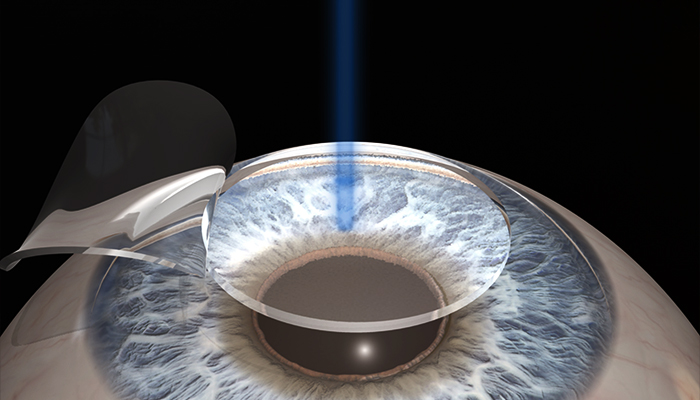
One of the most common laser eye surgery procedure is LASIK (Laser-Assisted in Situ Keratomileusis) which, the surgeon uses a laser to make a small flap in the cornea. The flap is then lifted, and the laser is used to reshape the underlying cornea. The flap is then placed back in its original position to heal and recover.
Another common laser eye surgery procedure is PRK (Photo-refractive Keratectomy) which uses laser to remove some corneal tissue and reshaping the surface of the cornea directly, this is performed on who are not suitable candidates for LASIK operations.
Laser eye surgery is considered safe and effective for many people, but it is not suitable for everyone. You should consult with an eye doctor to find out if laser eye surgery is a good option for you.
How Much Laser Eye Surgery (Laser Vision Correction) Prices in Turkey?
| PRK with Wavefront (both eyes) | $1000 to $2000 on average |
| Femto Lasik (both eyes) | $1300 to $3000 on average |
| Original iLasik (both eyes) | $1.350 to $3500 on average |
| Relex Smile (both eyes) | $1.900 to $4300 on average |
| PRK (both eyes) | $1.350 to $3000 on average |
How is Laser Eye Surgery (Laser Vision Correction) Performed?
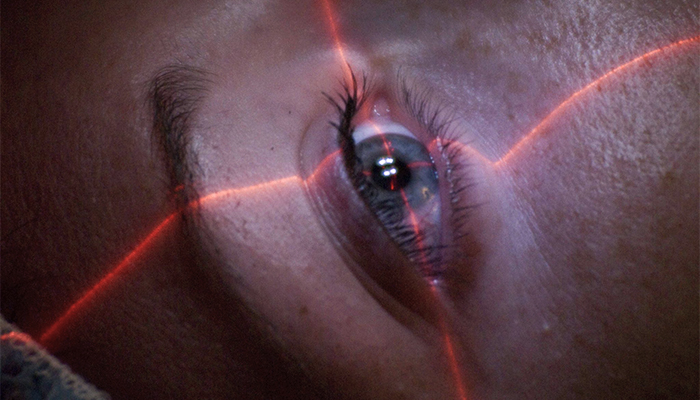
Laser eye surgery, such as LASIK and PRK, is typically performed as an outpatient procedure under local anesthesia. The specific steps of the surgery may vary depending on the type of procedure being performed, but the general process is as follows:
- First, the surgeon will use a device called a lid speculum to hold your eyelids open during the procedure.
- Next, the surgeon will use a small device to measure the curvature of your cornea and create a customized treatment plan.
- The surgeon will then create a small flap in the cornea using a laser in the case of LASIK procedure, and in case of PRK the surgeon will remove some of the corneal tissue to reshape the surface of the cornea directly.
- Once the flap is created or cornea tissue is removed, the laser will be used to reshape the cornea according to the treatment plan.
- The flap is then placed back in its original position or in case of PRK the surgeon will apply a contact lens to protect the cornea during the healing process.
- The entire procedure typically takes around 20-30 minutes per eye, and most patients are able to see an improvement in their vision immediately or the next day following the surgery.
- The patient will require follow-up visits with the doctor to monitor healing and ensure that the eyes have healed and the vision is stable. These follow-up visits are crucial to ensure that the patient’s vision continues to improve and that there are no complications or side effects from the surgery. During these visits, the surgeon will examine the patient’s eyes, test their vision, and make any necessary adjustments to the patient’s care plan.
- The patient will be advised to continue using the eye drops and will be asked about any issues or concerns they may have with their vision or recovery. If any issues arise, the surgeon will address them promptly. In most cases, the follow-up visits will be scheduled for a few days, weeks, and months after the surgery but it can vary depending on the recovery progress of the patients.
- After the procedure, the patient will be given eye drops to help prevent infection and inflammation and help the healing process. The patient may experience some discomfort, such as dryness, itching, or mild pain, for a few days following the surgery.
- It is important for the patient to avoid rubbing their eyes, wearing makeup, or engaging in strenuous activity for the first few days following the surgery, to allow the eyes to heal properly.
- Most patients will notice a significant improvement in their vision within the first few days following the surgery, but it may take up to a few months for the eyes to fully heal and for the final visual outcome to be seen.
- In most cases, laser eye surgery is a highly effective and safe way to improve vision and reduce dependence on glasses or contact lenses. However, as with any surgery, there are risks and potential complications, it is important that patients have realistic expectations and thoroughly discuss the risks and benefits with their surgeon before deciding on the procedure.
How Long Does Laser Eye Surgery (Laser Vision Correction) Take?
Laser vision surgery, such as LASIK and PRK, is typically a quick procedure, usually taking around 20-30 minutes per eye. The length of the procedure may vary depending on the specific type of laser vision surgery being performed and the complexity of the patient’s case. The process of preparation, measurement, creating flap or removal of the cornea tissue and reshaping the cornea by laser, then the flap placement or post-operative covering takes less than 15 min per eye generally, however waiting times and preparing the patient for the operation may also affect the overall duration of the procedure.
The procedure is performed as an outpatient procedure, which means that the patient can go home on the same day. However, recovery time and follow-up visits may take a little longer. It is important to note that, the actual time of the surgery is only a small part of the whole process, The patient will have some pre-operation check-up before the surgery and after care, follow-up visits to make sure the eyes have healed properly and the vision is stable.
Does Laser Eye Surgery (Laser Vision Correction) Hurt?
Laser Vision surgery, such as LASIK and PRK, is typically performed under local anesthesia, which numbs the eye to minimize discomfort during the procedure. Most patients report experiencing only mild discomfort or pressure during the surgery, but no significant pain. The procedure might make you feel a slight scratchy or pressure-like sensation but it’s not considered as pain.
After the surgery, some patients may experience some mild discomfort or pain, such as a burning or stinging sensation, dryness, itching or sensitivity to light. This is normal and usually subsides within a few days. The surgeon will provide you with eye drops to help with these symptoms, and will give you instructions on how to care for your eyes during the recovery period.
However, it is important to keep in mind that everyone’s experience with laser eye surgery may be different and some people may have different level of discomfort. The best way to know how the surgery will be for you is to talk to your surgeon about your concerns, and ask for additional information.

Who is Laser Eye Surgery (Laser Vision Correction) Performed on?
Laser vision surgery, such as LASIK and PRK, can be performed on patients with certain types of refractive errors, including nearsightedness (myopia), farsightedness (hyperopia), and astigmatism.
LASIK and PRK are generally considered safe and effective for most patients who have a stable refraction and have reached adulthood. The ideal candidate for laser eye surgery is someone who is over 18, has a stable refractive error for at least one year, and have healthy eyes without any significant problems.
However, the suitability for laser eye surgery is a very individual decision, depends on the patient’s health conditions and other factors. It is important to schedule a consultation with an experienced surgeon, who will perform a thorough eye examination, and discuss your medical history, as well as any other relevant information, to determine whether you are a good candidate for laser eye surgery.
Patients with certain medical conditions or eye diseases, such as severe dry eyes, certain autoimmune diseases, severe thin corneas, or a history of keratoconus, may not be good candidates for laser eye surgery. The surgeon will advise these cases on whether laser eye surgery is appropriate and safe.
Might Be Interested: Breast Implant Prices in Turkey 2024