

Contents
Fuel Prices in Turkey
Fuel in Turkey is primarily composed of gasoline, diesel, and LPG (liquefied petroleum gas). The fuel industry in Turkey is governed by a combination of domestic production, imports, and state regulations. Here’s an overview of the fuel situation in Turkey:
Fuel prices in Turkey are subject to frequent fluctuations due to several factors such as global oil prices, exchange rates, and government taxes. Turkey imports most of its crude oil, so fuel prices can be significantly influenced by global supply and demand dynamics, especially in the context of the Turkish lira’s value.
Factors Affecting Fuel Prices
- Global Oil Prices: Turkey imports a large portion of its oil, so fluctuations in the price of crude oil on global markets directly impact fuel prices.
- Exchange Rate: Since oil is traded in U.S. dollars, the value of the Turkish lira relative to the U.S. dollar has a significant effect on the cost of imports. A weak lira can lead to higher fuel prices.
- Government Taxation: Fuel taxes in Turkey are high, and they make up a substantial portion of the price. These taxes are adjusted periodically by the government.
- Geopolitical and Regional Factors: Tensions in oil-producing regions, or changes in international trade, can impact oil supply and fuel prices in Turkey.
Fuel Types in Turkey
- Gasoline (Benzin): Commonly used in cars, motorcycles, and small machinery. Gasoline prices fluctuate based on international oil prices, exchange rates, and domestic taxation.
- Diesel (Motorin): Widely used in trucks, buses, and industrial machinery. Diesel fuel tends to be cheaper than gasoline in Turkey.
- LPG (Likit Petrol Gazı): Used in certain vehicles (especially older cars that have been converted to LPG) and for domestic cooking and heating purposes. LPG is generally cheaper than gasoline but more expensive than diesel.
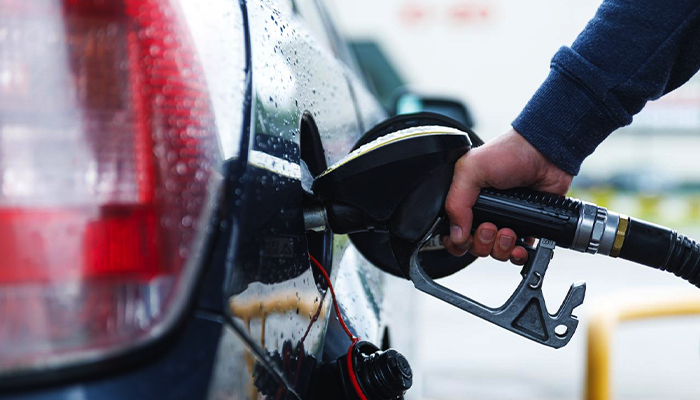
Fuel Prices in Turkey 2025
Fuel prices in Turkey are often revised weekly, or even more frequently, depending on changes in the global market. The Energy Market Regulatory Authority (EPDK) has some influence over price regulation, but price adjustments are generally market-driven, particularly after international price changes or currency fluctuations.
- Gasoline (Benzin):
- Price: Around 45–48 TRY per liter (varies widely).
- Diesel (Motorin):
- Price: Around 45–48 TRY per liter (generally cheaper than gasoline).
- LPG (Liquefied Petroleum Gas):
- Price: Around 25–30 TRY per liter, making it the cheapest option for those driving vehicles that use LPG.
Fuel prices in Turkey are subject to frequent adjustments based on international oil prices, the value of the Turkish lira (TRY), and taxes imposed by the Turkish government. Prices can vary significantly depending on global oil trends and the exchange rate fluctuations.
Recent Trends
- Increase in Diesel Prices: Diesel prices have been steadily increasing due to global oil price hikes and currency devaluation. This is an important trend for truckers and businesses relying on diesel-powered vehicles.
- Government Subsidies: At times of particularly high prices, the government may step in to provide subsidies or temporarily lower taxes on fuels in an attempt to control prices, especially during elections or economic downturns.
Fuel Distribution
- Refining: Turkey has a number of oil refineries, with major ones being operated by companies like TÜPRAŞ (Turkey’s largest oil refinery). However, Turkey relies heavily on oil imports to meet its domestic fuel needs.
- Imports: As a country with limited domestic oil reserves, Turkey imports a significant portion of its crude oil from countries like Iraq, Russia, and Iran.
- Distribution Networks: Fuel is distributed throughout the country via a vast network of petrol stations, both in urban and rural areas. Major brands like Shell, BP, and Total operate in Turkey, alongside domestic companies like Petrol Ofisi.
Fuel Taxes and Subsidies
Fuel prices in Turkey are heavily taxed, with taxes making up a significant portion of the final price at the pump. The government may offer subsidies or set price controls at times, especially during periods of economic crisis or high global oil prices, to keep fuel affordable for consumers.
Environmental Policies
- Emissions and Regulations: Turkey is transitioning toward more stringent environmental standards, including stricter emission standards for vehicles and increased use of cleaner fuels. This includes promoting the use of LPG for vehicles and incentivizing electric vehicles (EVs) with certain benefits.
- Renewable Energy Focus: While Turkey’s energy infrastructure still relies heavily on fossil fuels, there is a growing interest in renewable energy sources, including wind and solar power, which could affect fuel consumption trends in the future.
Electric Vehicles (EVs) and Alternative Fuels
- EV Adoption: Turkey is increasingly encouraging the adoption of electric vehicles as part of its strategy to reduce dependence on imported fossil fuels and to lower carbon emissions. The government has introduced incentives and subsidies for EV purchases.
- Biofuels and Alternatives: Turkey has also explored biofuels and other renewable energy sources, though these are still relatively small compared to conventional fuels like gasoline and diesel.
Challenges and Trends
- Exchange Rate Fluctuations: The Turkish lira’s volatility can have a direct impact on fuel prices, as crude oil is typically bought in US dollars. When the lira weakens, fuel prices tend to rise.
- Geopolitical Factors: Turkey’s proximity to major oil-producing regions (like the Middle East and Russia) means that geopolitical tensions can impact fuel availability and prices.
- Energy Transition: As part of Turkey’s broader energy policy, there is a gradual shift towards more sustainable energy practices, though oil and gas will remain central to the energy mix for the foreseeable future.
If you’re planning to travel in Turkey or need fuel for business, it’s a good idea to keep an eye on the current fuel prices and the broader economic situation in the country, as fuel costs can change quickly in response to market conditions.
Might Be Interested: Diesel Price in Turkey 2025