

Contents
Items and Materials Imported From Turkey
- Machinery and Equipment: Turkish machinery sector serves various industries such as agriculture, construction, energy, food processing, and automation. Importable products include agricultural machinery, construction machinery, industrial machinery, energy equipment, and automation systems.
- Automotive and Spare Parts: Turkey is a major producer and exporter in the automotive industry. Importable products include car parts, tires, brake systems, electronic components, interior accessories, and car maintenance products.
- Textile and Clothing Products: Turkey has a strong production capacity in the textile and clothing sector. Some importable products include ready-to-wear garments, knitwear, outerwear, underwear, dresses, socks, scarves, and hats.
- Furniture and Home Accessories: Turkish furniture sector produces high-quality and functional products. Importable products include furniture, furniture accessories, home textile products, lighting fixtures, and decorative items.
- Food and Beverage Products: Turkish cuisine offers a rich variety of products. Importable food and beverage products include olives and olive oil, cheese, nuts, chocolate, coffee, tea, and spices.
- Construction Materials: The Turkish construction sector plays a significant role in the production of building materials. Importable products include cement, steel, iron, ceramics and ceramic tiles, glass, steel construction materials, and insulation materials.
- Electronic Products: Turkey is also a major player in the production of electronic goods. Importable products include televisions, home appliances, mobile phones, computers, tablets, audio systems, and electronic components.
- Chemicals: Turkey has a strong production capacity in various chemical products. Importable chemicals include plastic materials, paints and varnishes, fertilizers, cleaning products, cosmetic products, and pharmaceuticals.
- Electrical and Electronic Equipment: Turkey is an important player in the production of electrical and electronic equipment. Importable products include transformers, generators, cables, electrical panels, electronic components, lighting products, and solar panels.
- Carpets and Kilims: Turkey is a leading producer of handmade carpets and kilims. Importable carpet and kilim varieties include handwoven, machine-woven, silk, wool, and cotton carpets.
- Health and Medical Devices: Turkey also produces medical devices and healthcare products. Importable products include medical devices, surgical instruments, hospital equipment, medical consumables, pharmaceuticals, and laboratory supplies.
This list provides a sample of various Items and Materials Imported from Turkey. Turkey’s economy and production capacity cover a wide range of sectors, so there are more product options available.
What is the price of Items and Materials Imported From Turkey?
The price of Items and Materials Imported from Turkey depends on several factors. Import costs are generally based on the following factors:
- Type and Quality of the Product: The type and quality of the imported product have a significant impact on the price. Higher quality products typically come at a higher cost.
- Quantity: The quantity of the imported products also affects the price. Larger quantities often result in lower unit costs.
- Transportation and Logistics Costs: The transportation of products from Turkey to the destination country and the associated logistics processes also influence the cost. Transportation, insurance, customs duties, port fees, and other logistics costs are added to the import cost.
- Exchange Rate: Import costs can be affected by fluctuations in the exchange rate. If the Turkish Lira depreciates against the currency of the destination country, the import cost may increase.
- Trade Policies and Taxes: The trade policies, customs duties, and other import regulations of the destination country can also impact the import cost. Each country has its own import policies and tax regulations.
Considering these factors, the prices of Items and Materials Imported From Turkey can vary significantly. To determine the prices for a specific product or material you want to import, you will need to communicate with suppliers directly and negotiate trade agreements. Additionally, it is important to consider the import regulations and tax policies of the destination country.
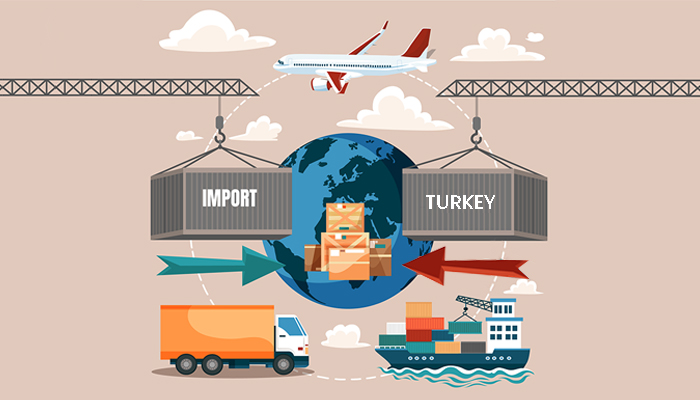
Items and Materials Imported From Turkey Must Know
When Items and Materials Imported From Turkey, there are certain key points that you should be aware of:
- Product Selection: Turkey offers a wide range of products and materials across various industries, including textiles, automotive parts, machinery, electronics, furniture, food and beverages, chemicals, and more. Determine the specific items and materials that meet your import needs.
- Supplier Verification: Conduct thorough research and due diligence to verify the credibility and reliability of potential Turkish suppliers. Check their reputation, business credentials, experience, and customer reviews. You may also consider visiting trade fairs or exhibitions in Turkey to meet suppliers in person.
- Import Regulations: Familiarize yourself with the import regulations and requirements of your country as well as any specific regulations imposed by Turkey. Ensure that the items and materials you plan to import comply with safety, quality, and labeling standards. Consider consulting with customs authorities or hiring a customs broker for assistance.
- Shipping and Logistics: Determine the most suitable shipping method for your imports, whether it’s by air, sea, or land. Obtain quotes from freight forwarders and compare prices, transit times, and services offered. Plan the logistics, including packaging, documentation, and customs clearance procedures.
- Tariffs and Duties: Understand the applicable tariffs and duties imposed by your country on the imported items and materials from Turkey. Consult with customs authorities or trade experts to determine the specific duty rates and any preferential trade agreements that may lower the costs.
- Quality Assurance: Ensure that the products and materials meet your desired quality standards. Consider requesting samples, conducting inspections, or obtaining certifications, such as ISO standards, to ensure compliance with quality requirements.
- Payment Terms and Currency Exchange: Establish clear payment terms with the Turkish supplier, including pricing, currency, payment methods, and payment schedule. Consider the currency exchange rates and any potential currency risks when negotiating prices.
- Intellectual Property Rights: Protect your intellectual property rights by understanding and adhering to the relevant laws and regulations. Consider consulting with legal experts or intellectual property professionals to safeguard your rights during the import process.
- Language and Communication: Ensure effective communication with Turkish suppliers by overcoming any language barriers. Consider hiring translators or using online translation services to facilitate clear and accurate communication.
- Documentation and Record-Keeping: Maintain proper documentation and records throughout the import process. This includes invoices, packing lists, certificates of origin, bills of lading, customs declarations, and any other relevant paperwork for legal and accounting purposes.
Remember that import processes and requirements can vary depending on your country’s regulations and the specific products you intend to import. It is advisable to seek professional advice or consult with relevant government authorities or trade organizations to ensure a smooth and compliant import process for Items and Materials Imported From Turkey.
Import Laws when Items and Materials Imported From Turkey
When Items and Materials Import From Turkey or any other country, it’s important to consider the laws and regulations that govern international trade. While I can provide general information, please keep in mind that specific regulations may vary depending on your location and the nature of the goods being imported. It’s always recommended to consult with relevant authorities or legal experts for accurate and up-to-date information. Here are some key aspects to consider for Items and Materials Imported From Turkey:
- Customs Duties and Tariffs: Each country has its own customs duties and tariffs imposed on imported goods. These fees are typically based on factors such as the type of goods, their value, and the country of origin. You may need to research and comply with the customs regulations of your country to determine the applicable duties and tariffs.
- Import Documentation: Importing goods generally requires specific documentation, such as a commercial invoice, packing list, bill of lading/airway bill, and import license or permit (if applicable). These documents help customs authorities verify the nature, value, and origin of the imported goods.
- Import Restrictions and Prohibited Items: Certain goods may be subject to import restrictions or completely prohibited for various reasons, including health and safety concerns, national security, or compliance with international agreements. It’s crucial to identify any restrictions on the goods you plan to import to ensure compliance with the law.
- Product Standards and Certifications: Some products must meet specific standards or obtain certifications to ensure quality, safety, and compliance with local regulations. Depending on the nature of your imported goods, you may need to obtain relevant certifications or comply with specific labeling requirements.
- Taxes and VAT: In addition to customs duties, imported goods may be subject to value-added tax (VAT) or other applicable taxes. The tax rates and procedures can vary, so it’s important to understand the tax implications of your imports.
- Intellectual Property Rights: Ensure that your imports do not infringe on any intellectual property rights, such as trademarks, copyrights, or patents. It’s essential to respect and comply with intellectual property laws to avoid legal issues.
Remember, the information for Items and Materials Imported From Turkey, provided above is general in nature, and it’s crucial to consult with local authorities or seek legal advice to ensure compliance with the specific laws and regulations of your country.
Might Be Interested: Health